Enhance Your Dog's Behavior With These Proven Dog Training Strategies and Resources
Improving a dog's behavior is crucial for an unified relationship between pet dog and owner. Numerous training techniques can be applied, focusing on positive reinforcement and uniformity - Obedience Training Freeport Florida. Comprehending canine behavior lays the structure for reliable training. This discussion will cover crucial commands, the significance of socializing, and exactly how to resolve common issues. As these strategies unfold, the course to a well-adjusted friend comes to be clearer. What specific obstacles might emerge in this journey?
Recognizing Canine Behavior
Understanding canine behavior is necessary for efficient dog training, as it permits trainers to react appropriately to a dog's requirements and responses. Canines interact through body language, articulations, and actions, making it critical for instructors to observe and interpret these signals properly. Identifying indicators of stress and anxiety, excitement, or worry aids instructors change their approaches to develop a favorable discovering setting. In addition, comprehending a dog's type characteristics and specific personality can substantially affect training techniques. Effective instructors require time to construct depend on and develop a bond with the dog, promoting collaboration. This fundamental understanding of canine behavior not just enhances training success however also cultivates a deeper link between the dog and instructor, ultimately bring about a much more harmonious connection.
The Power of Favorable Reinforcement
Favorable reinforcement is an effective tool in dog training, promoting desired behaviors with incentives instead than punishment. This strategy not only enhances the bond between the dog and fitness instructor however additionally boosts the chance of successful learning - Puppy Training Freeport Florida. Different strategies can be employed to make the most of the effectiveness of favorable reinforcement, ensuring an extra satisfying training experience for both celebrations involved
Advantages of Positive Reinforcement
Methods for Effective Educating
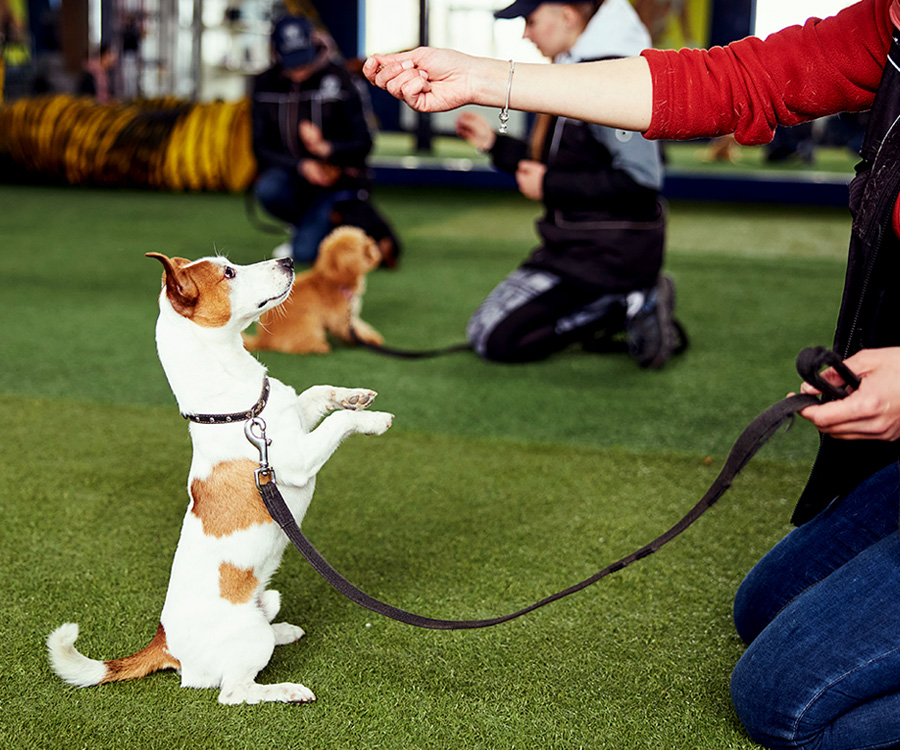
Effective training relies on a selection of methods that harness the power of favorable reinforcement. This technique urges wanted habits by gratifying dogs with deals with, praise, or play immediately complying with the correct action. Timing is crucial; rewards should be provided quickly to develop a clear link in between behavior and reinforcement. Uniformity better enhances effectiveness, as pet dogs discover best through repeated exposure to specific hints and rewards. Additionally, varying rewards can maintain a dog's passion and inspiration. Integrating clicker training is an additional effective technique, as it gives a distinct noise that notes the preferred behavior. By making use of these strategies, dog owners can cultivate a favorable discovering environment, resulting in boosted behavior and a more powerful bond between them and their animals
Standard Commands Every Dog Ought To Know
Understanding basic commands is fundamental for efficient dog training. These important commands not only boost interaction between the owner and the dog but additionally advertise security and excellent behavior. Educating methods, together with the relevance of consistency and patience, play an essential role in grasping these commands.
Crucial Commands Summary
A well-trained dog can considerably enhance the bond in between pet and proprietor, making fundamental commands vital for every single canine friend. Basic commands such as "sit," "remain," "come," and "down" create the structure of effective communication in between pet dogs and their owners. These commands not only guarantee the security of the dog yet also advertise excellent behavior in various situations. "Leave it" is another crucial command, helping to avoid dogs from involving with possibly unsafe objects or compounds. In addition, "heel" encourages proper leash manners, boosting walks and trips. Mastering these basic commands fosters a respectful connection, making day-to-day interactions extra workable and enjoyable. Eventually, these commands function as devices for much better understanding and cooperation between dogs and their humans.
Educating Strategies Explained
Training methods for basic commands are crucial for fostering a well-behaved dog. These foundational commands include "rest," "stay," "come," and "down," which are important for safety and effective interaction. Utilizing positive support, such as treats or appreciation, helps pet dogs associate these commands with benefits. When showing "rest," the instructor can delicately lead the dog right into a sitting position while stating the command. Rep and steady development are crucial; pet dogs must understand one command before moving on to another. In addition, using hand signals together with verbal commands can boost understanding. Educating sessions ought to be appealing and short to maintain the dog's interest. Grasping these basic commands establishes a strong bond between the dog and proprietor while guaranteeing a harmonious living atmosphere.
Uniformity and Persistence Importance
Uniformity and perseverance are crucial components in the trip of teaching standard commands to pet dogs. When training, it is crucial that owners apply the very same commands and cues constantly to avoid confusing their animals. Pets prosper on routine, and clear, repetitive directions assist strengthen discovering. Furthermore, perseverance permits for steady progression, as every dog finds out at its own rate. Rushing the procedure can result in frustration for both the dog and proprietor, potentially impeding the training experience. Routine practice, combined with positive support, produce an encouraging setting that fosters trust fund and understanding. Eventually, a patient and constant approach not only enhances the dog's ability to learn commands but likewise reinforces the bond between the dog and its proprietor.
Producing a Constant Training Schedule
Developing a constant training routine is necessary for reliable dog training. A well-defined regular helps pet dogs recognize when to anticipate training sessions, fostering far better behavior and discovering. Preferably, training must occur at the my explanation exact same time daily, allowing both the dog and trainer to prepare mentally and physically. Short, frequent sessions are more beneficial than longer, irregular ones, as they maintain the dog's interest and interest. Incorporating numerous commands and activities within the routine can keep the training engaging. Additionally, consistency in the trainer's commands, incentives, and cues reinforces learning. By sticking to an organized schedule, dog proprietors can cultivate self-control and improve their family pet's responsiveness, eventually bring about a well-behaved companion.
Making Use Of Educating Tools and Resources
Exactly how can dog owners enhance their training sessions? Using training tools and resources can considerably enhance effectiveness. Clicker training gadgets, for instance, give instant comments, reinforcing positive behavior. Treats, playthings, and training collars can likewise work as motivation for canines, aiding in quicker discovering. On the internet systems and apps offer organized programs, enabling owners to gain access to expert advice and track development. Furthermore, instructional video clips and books present different techniques, assisting proprietors diversify their technique. Neighborhood training classes give hands-on experience and foster area assistance, while dog training blogs and online forums can share beneficial insights. By successfully integrating these sources and tools, dog proprietors can develop a much more efficient and webpage interesting training atmosphere for their pets.
Socialization: The Secret to a Well-Behaved Dog
While numerous factors contribute to a well-behaved dog, socialization stands apart as a necessary element in shaping a family pet's behavior and personality. Early direct exposure to different atmospheres, people, and various other pets helps canines create confidence and flexibility. By presenting young puppies to varied circumstances, such feeding dog in crate as various sounds and views, they learn to browse the world without fear or hostility. Socializing likewise helps in lowering stress and anxiety and preventing behavior problems later in life. Regular interactions with various other canines and people foster positive experiences, advertising calm and pleasant behavior. Ultimately, a well-socialized dog is more probable to embody the traits of a well-adjusted buddy, making socializing a critical aspect of responsible animal possession and training.
Troubleshooting Usual Behavioral Issues
A well-socialized dog is less likely to show behavior troubles, however challenges can still emerge. Common concerns include excessive barking, eating, and aggression. Comprehending the origin is crucial for effective troubleshooting. As an example, excessive barking might come from dullness or anxiety; routine workout and mental excitement can help minimize this behavior. Eating often suggests a requirement for proper outlets, such as toys or training to redirect emphasis. Aggression can be extra complicated, demanding professional assistance to assure safety. Addressing these problems requires persistence, consistency, and positive support methods. Owners should additionally check their dogs' atmospheres for triggers and apply steady desensitization strategies. Ultimately, each dog is distinct, demanding customized techniques for effective therapy.
Often Asked Concerns
The length of time Does It Require To See Results From Dog Training?

Are There Age Constraints for Starting Dog Training?
There are no stringent age limitations for starting dog training. Early socialization and fundamental obedience training are usually much more effective when launched throughout a puppy's crucial developmental duration, usually between eight weeks and six months.
Can I Train My Dog Myself or Should I Work with a Specialist?
Educating a dog independently is feasible, yet hiring a professional can provide important advice and expertise. The decision depends on the owner's experience, time dedication, and the dog's particular behavioral demands and training goals.
What Should I Do if My Dog Declines to Listen?
When a dog declines to listen, the owner needs to continue to be tranquil, reassess training approaches, and think about simplifying commands. Uniformity, favorable support, and perseverance are important to boost interaction and urge the dog to react better.
Just How Can I Keep Educating Procedure Enjoyable for My Dog?
To maintain training sessions enjoyable, integrate games, utilize positive support, vary tasks, and maintain short periods. Involving with toys or deals with can inspire the dog, boosting their satisfaction and readiness to take part in training.
Comprehending canine behavior is important for reliable dog training, as it allows trainers to react appropriately to a dog's needs and responses. Comprehending fundamental commands is basic for effective dog training. Establishing a regular training routine is necessary for effective dog training. Regional training classes provide hands-on experience and foster area assistance, while dog training blogs and online forums can share useful understandings. When a dog refuses to pay attention, the owner ought to remain calm, reassess training methods, and consider simplifying commands.